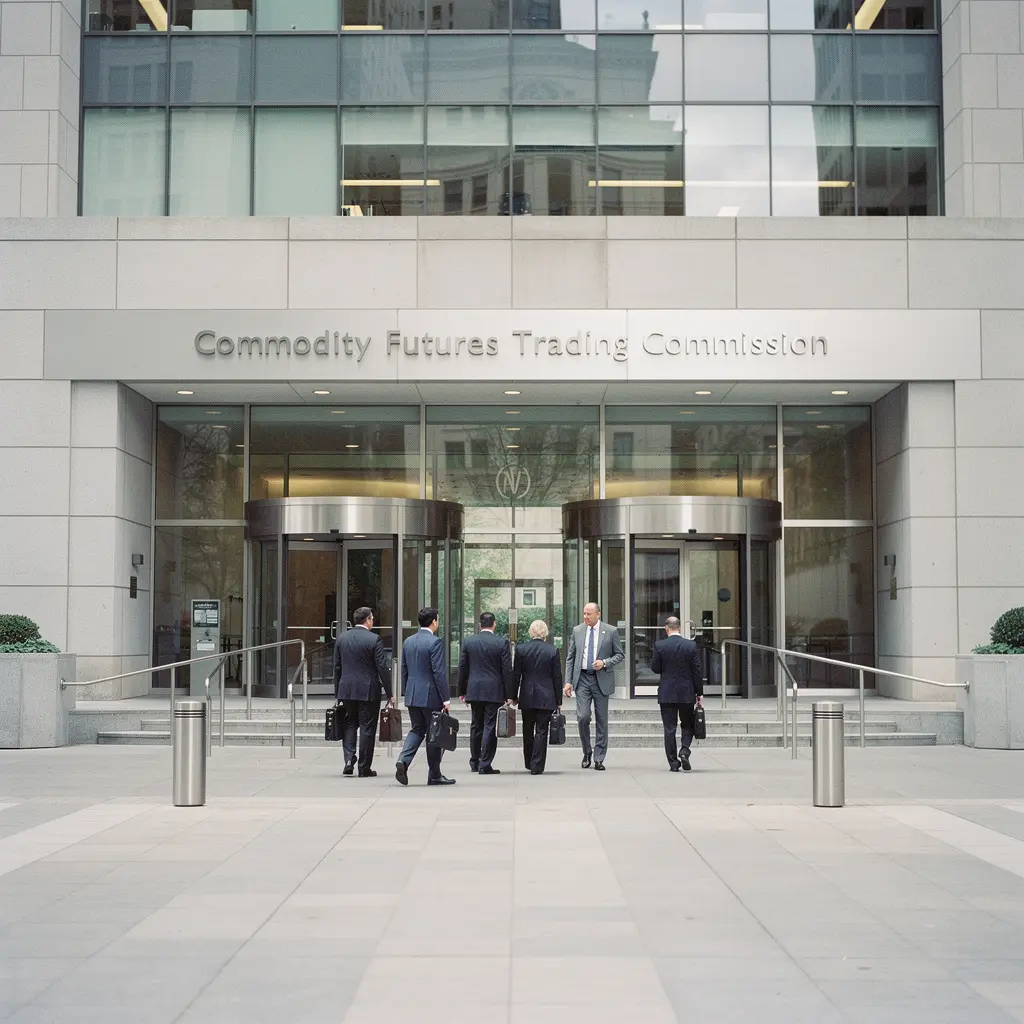
Commodity Futures Trading Commission reviews programmatic yield mechanics in layer-2 rollups
Federal regulators opened inquiries into automated balance expansion models used by decentralized rollups. Agency guidance targets automated liquidity yield programs operating within United States jurisdictions.

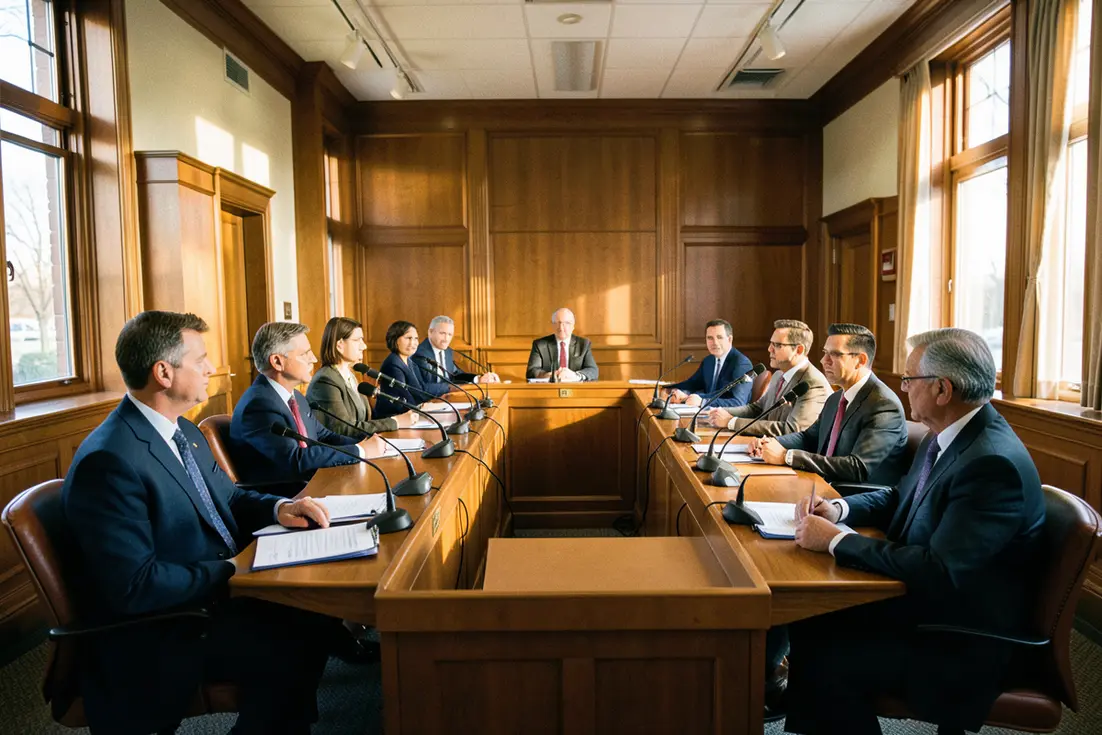
Federal regulatory examiners initiated a formal study examining how layer-2 protocols distribute passive returns directly to token addresses. Agency officials contacted compliance representatives regarding automatic rebasing mechanisms that execute without explicit user staking actions.
Documentation submitted to the Commodity Futures Trading Commission Market Risk Advisory Committee highlighted the technical distinctions between liquid staking wrappers and base-layer accounting updates. Legal teams argue automated interest adjustments function as algorithmic rebates rather than speculative contracts.
Agency examines automated interest pathways
Investigators requested detailed ledger entries covering how primary liquidity pools route underlying Treasury yield to wallet addresses. The inquiry focuses on whether programmatic distributions constitute pooled investment structures under current federal guidelines.
Protocol foundations submitted technical documentation demonstrating that balance changes occur via deterministic ledger balance adjustments. The legal brief emphasizes that no discretionary treasury management directs individual user account yields.
Our technical brief outlines that automated rebasing represents a software balance calculation rather than a collective investment contract.
Claire Davenport, Regulatory Counsel at the Decentralized Software Council
Our technical brief outlines that automated rebasing represents a software balance calculation rather than a collective investment contract.
Claire Davenport, Regulatory Counsel at the Decentralized Software Council
Policy determinations anticipated for rollup operators
Policy analysts anticipate preliminary guidance regarding programmatic balance adjustments before mid-year legislative hearings. State banking regulators in New York simultaneously requested informational briefings regarding consumer disclosures on synthetic dollar tokens.
Rollup software distributors maintain that clear compliance boundaries will support transparent operational standards across domestic trading desks. Further public hearings before federal financial committees remain scheduled for late spring.
Sources
- Advisory Committee Briefing on Emerging Digital Financial Systems Commodity Futures Trading Commission Meeting Record MRAC-2026-03