RPC Infrastructure Upgrades Reduce Transaction Latency for US Users
Network performance tests show direct endpoint peering reduced wallet round-trip response times by 38 milliseconds.

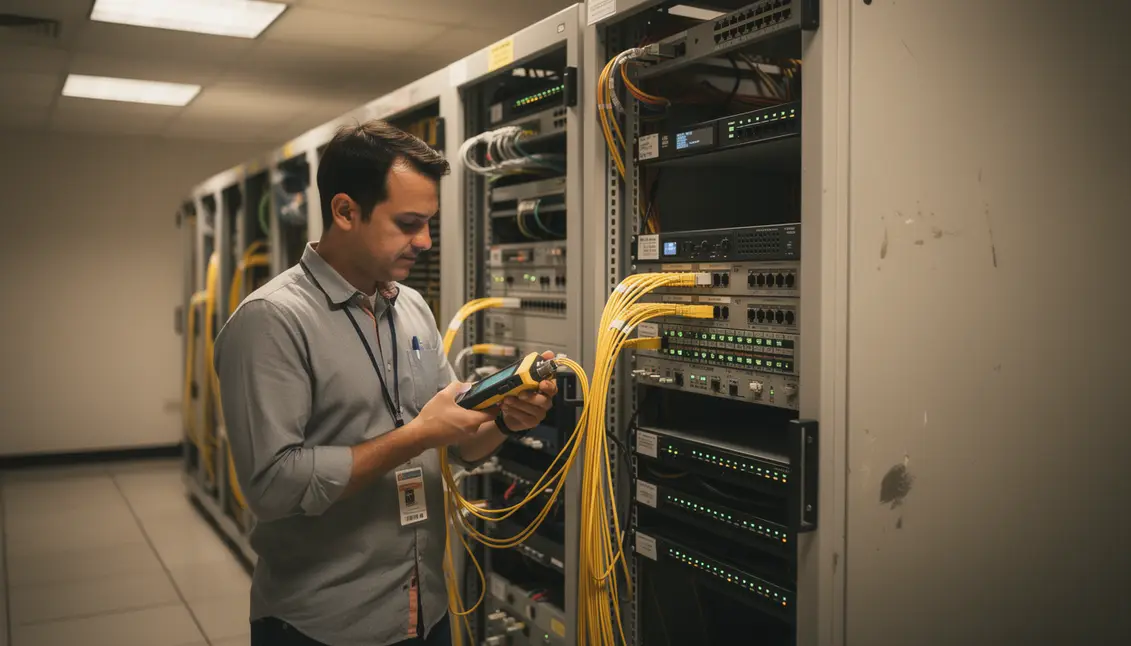
Infrastructure providers supporting Blast endpoints rolled out direct fiber peering across major domestic Internet exchange points this week. The network improvements noticeably accelerated transaction broadcasting and wallet synchronization for retail participants across the United States.
Network monitoring data from Chainstack confirmed that response times fell consistently across eight metropolitan connection hubs. Users submitting transactions through updated node URLs experienced fewer dropped submissions during peak market hours.
Optimizing Local Wallet Configurations
Standard consumer wallets like MetaMask and Rabby frequently rely on default RPC configurations that route through overloaded public relays. Configuring private or premium endpoints bypasses congested public pipelines and reduces failed gas estimations.
Engineers recommend setting aggressive slippage and tip bounds when submitting high-value trades on decentralized exchanges. Precise gas buffers prevent transactions from getting stuck in memory pools when block congestion rises rapidly.
- Primary RPC latency in Chicago measured at 19 milliseconds.
- Gas estimation failure rates dropped to 0.12 percent after node upgrades.
Proper endpoint selection and calibrated fee parameters eliminate most common transaction stalls during periods of market stress.
Devon Hayes, Infrastructure Architect, Chainstack
Direct peering dropped round-trip transaction latency down to 22 milliseconds across major US connection hubs.
Devon Hayes, Infrastructure Architect, Chainstack
Account Protection Measures
Security desks continue to caution account holders against approving unverified contract spending limits when using automated tools. Setting finite token allowances limits exposure in the event that third-party smart contracts suffer unexpected exploits.
Hardware wallet manufacturers are preparing firmware updates that decode Blast transaction payloads directly on device displays, providing users with verifiable confirmation data prior to physical signing.
Sources
- North American Layer-2 Node Network Latency and Throughput ReportChainstack ResearchLatency Index Report Q1-2026