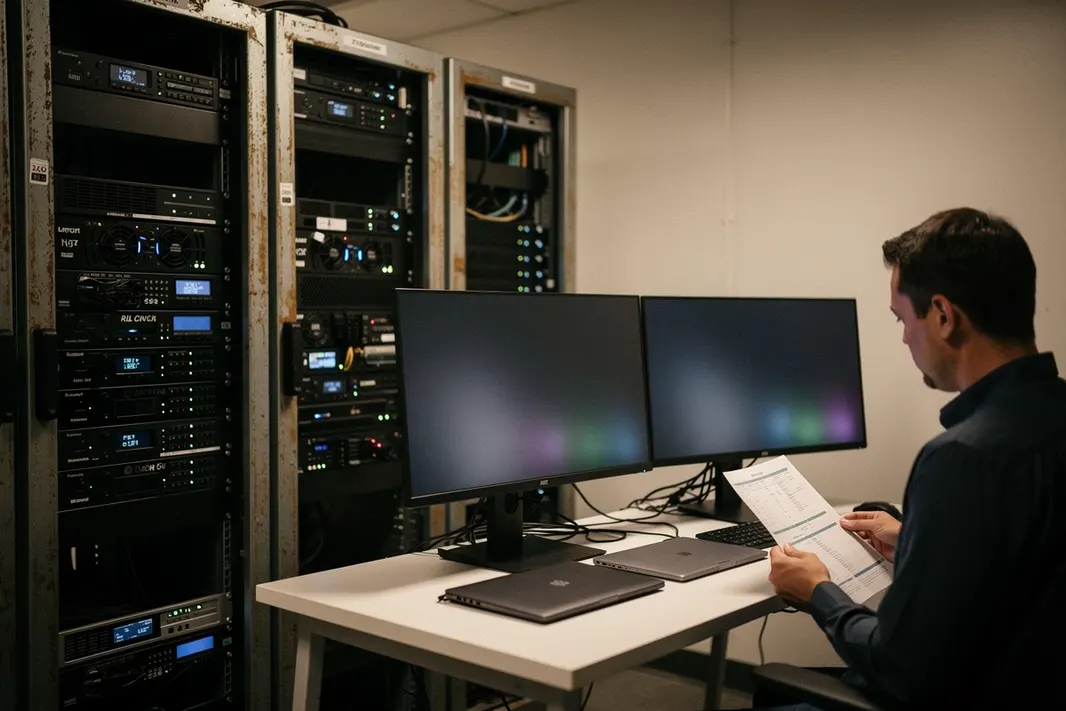
Rebasing smart contracts process twenty million dollars in native yield across active accounts
Protocol metrics demonstrate automated balance updates executed across more than two hundred thousand non-custodial accounts. On-chain validation logs confirm accurate interest compounding through base contracts.

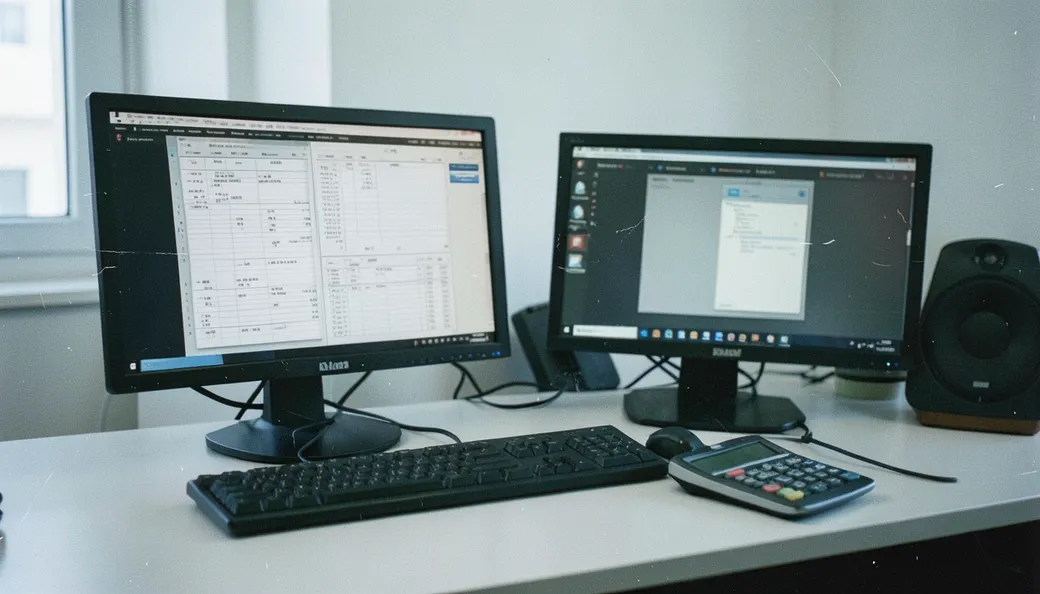
Network verification nodes finalized monthly rebasing calculations, pushing automated balance adjustments directly to eligible wallets without gas fees for end users. Total algorithmic distributions across ether and stablecoin balances crossed the twenty million dollar mark for the current quarter.
Data extracted from archive nodes confirmed the synchronization between layer-1 staking yields and layer-2 balance adjustments remained within a four-second tolerance band. Zero transaction rollbacks or failed calculations were recorded across the multi-day disbursement cycle.
Gas optimization preserves block bandwidth
Core developers structured the balance adjustment engine using an indexed modifier system rather than iterative address loops. This technical architecture allows millions of addresses to register higher nominal balances during state reads while requiring minimal block space.
Independent analysts observed that transaction fee volatility remained stable during high-volume distribution periods. Gas consumption metrics published by ecosystem block explorers confirmed sustained throughput throughout the processing cycle.
- State updates required three block executions per distribution wave.
- Average network latency remained constant at 1.8 seconds per confirmation.
The implementation of global index modifiers eliminates balance adjustment calculation congestion across execution layers.
Leon Kowalski, Lead Architect at Distributed Ledger Labs
The implementation of global index modifiers eliminates balance adjustment calculation congestion across execution layers.
Leon Kowalski, Lead Architect at Distributed Ledger Labs
Contract upgrades set for next validation cycle
Engineering teams have scheduled an incremental update to the USDB yield distribution oracle within the coming weeks. The patch aims to incorporate diverse external pricing feeds into the daily rebasing calculation to reduce slippage on volatile days.
Decentralized application builders report direct accounting compatibility across leading lending pools and automated market makers. Network operators continue running automated unit tests on public testnets in preparation for the upgrade rollout.
Sources
- On-Chain Ledger Performance and Yield Synchronization MetricsEtherscan Technical Metrics DeskLedger Bulletin BL-2026-Y4